
The Department of Anatomy at King Khalid University’s College of Medicine is a cornerstone of the institution, dedicated to excellence in education, innovative research, and community service. Strategically aligned with Saudi Arabia’s Vision 2030, the department focuses on digital transformation, advanced postgraduate offerings, and research that contributes to national economic growth. The department provides a comprehensive curriculum covering human anatomy, embryology, histology, and neuroanatomy. It serves a diverse student body across medicine, dentistry, pharmacy, nursing, and engineering. Notably, in 1447H, the department transitioned to a modern integrated curriculum, with the department participating in teaching 14 courses; coordination and teaching responsibilities are shown in the tables below.
Education is delivered through a blend of traditional and cutting-edge methods:
- Hands-on Training: Utilizing dissection rooms with human cadavers and plastinated specimens.
- Technology Integration: Leveraging virtual reality (VR) learning systems, digital microscopes, and radiological imaging.
- Active Learning: Emphasizing small-group sessions and self-directed learning to develop critical thinking and psychomotor skills in line with the National Qualification Framework (NQF).
A multidisciplinary team of clinicians, researchers, and tech specialists fosters a collaborative environment. To ensure high standards, student learning outcomes are systematically assessed annually through internal and external benchmarking, driving a culture of continuous quality improvement. By bridging basic anatomical sciences with clinical application, the department remains a vital pillar in supporting the region’s healthcare needs.

Anatomy laboratory

Dissection room

Histology laboratory

Dissection room
Vision
To be a globally recognized center of excellence in anatomical sciences, advancing health and human well-being through innovative, high-quality medical education, impactful translational scientific research, and meaningful community engagement.
Mission
The Department of Anatomy is committed to excellence in anatomical education, research, and community service. The department aims to prepare scientifically and professionally competent physicians through innovative teaching, high-quality academic practice, and ethical standards. It advances anatomical and translational research to support healthcare improvement, societal needs, and sustainable development, while fostering social responsibility and community engagement.
Objectives
- Enhance Educational Quality and Graduate Competence
- Promote Research Excellence and Innovation
- Support Postgraduate Education and Academic Development
- Advance Health Awareness and Quality of Life
- Enhance the Academic and Work Environment
- Achieve Departmental Excellence
- Support Resource Development and Sustainability
- Promote Social Responsibility and Community Engagement
Values
- Integrity
- Commitment
- Excellence
- Transparency
- Respect
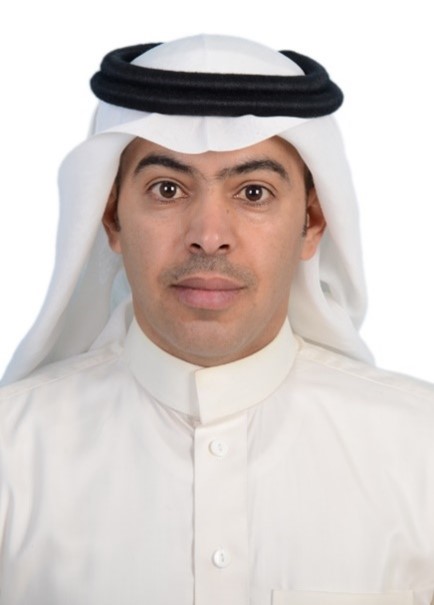
Mansour Abdullah Saeed Alghamdi
Professor
Graduate Diploma in Forensic Science
Graduate Diploma in Surgical Anatomy
MSc. in Anatomy and Cellular Medicine
MSc. in Forensic Science
Ph.D. in Anatomy and Cellular and Molecular Medicine
Anatomy Department, College of Medicine, King Khalid University
Office no. G-105 PO Box 641 Abha, Asir Region,
Postcode: 62421. Saudi Arabia
Mobile: 00966 505236044, Tel: 00966172417866
Email: m.alghamdi@kku.edu.sa
Programs and Courses
MBBS Courses — Traditional Curriculum
List of MBBS Program courses (Traditional curriculum) in which Department of Anatomy participates in teaching and coordination:
Scroll horizontally to view all columns when needed.
S. No. | Course Name | Course Code | Program Level | Credit Hours | Responsibilities |
|---|---|---|---|---|---|
1 | Anatomy 1 | ANA 212 | 3 | 6 (3+3) | Coordination & Teaching |
2 | Anatomy 2 | ANA 213 | 4 | 4 (2+2) | Coordination & Teaching |
3 | Histology | ANA 232 | 4 | 2 (1+1) | Coordination & Teaching |
4 | Embryology | ANA 241 | 4 | 2 (2+0) | Coordination & Teaching |
5 | Neuroscience | PSL 341 | 5 | 5 (3+2) | Teaching |
MBBS Courses — Integrated Curriculum
List of the 14 MBBS Program courses (Integrated curriculum) in which the Department of Anatomy participates in teaching, with its responsibilities for each course shown in the table:
Scroll horizontally to view all columns when needed.
| S. No. | Course Name | Course Code | Program Level | Credit Hours | Responsibilities |
|---|---|---|---|---|---|
| 1 | Essential Foundation Course-1 | FOU 2451 | 3 | 4 (3+1) | Coordination & Teaching |
| 2 | Musculoskeletal & Integumentary Systems | MUS 2653 | 3 | 6 (4+2) | Coordination & Teaching |
| 3 | Growth and Development | GRD 2352 | 3 | 3 (2+1) | Coordination & Teaching |
| 4 | Gastrointestinal System | GIT 2654 | 4 | 6 (4+2) | Coordination & Teaching |
| 5 | Cardiovascular System | CVR 2681 | 4 | 6 (4+2) | Teaching |
| 6 | Respiratory System | RES 2682 | 4 | 6 (4+2) | Teaching |
| 7 | Endocrine System | END 3672 | 5 | 6 (4+2) | Teaching |
| 8 | Reproductive System | GNT 3683 | 5 | 6 (4+2) | Teaching |
| 9 | Renal System | REN 3684 | 5 | 6 (4+2) | Teaching |
| 10 | Molecular Medicine | MBC 3273 | 5 | 2 (2+0) | Teaching |
| 11 | Neuroscience & Special Senses | NES 3655 | 6 | 6 (4+2) | Coordination & Teaching |
| 12 | Hematopoietic & Lymphatic Systems | HEM 3752 | 6 | 7 (4+3) | Teaching |
| 13 | Human Genetics (Elective) | GEN 4235 | 7 | 2 (2 +0) | Teaching |
| 14 | Training & Career Preparation Skills | COMM 0401 | 11 | 4 (4+0) | Teaching |
Shared Courses — Dentistry, Nursing, Pharmacy and Engineering
List of Shared Program courses (Dentistry, Nursing, Pharmacy and Engineering) in which Department of Anatomy participates in teaching and coordination:
Scroll horizontally to view all columns when needed.
| S. No. | College | Course Name | Course Code | Program Level | Credit Hours | Responsibilities |
|---|---|---|---|---|---|---|
| 1 | Dentistry | Anatomy 1 | ANA 223 | 3 | 5 (3+2) | Coordination & Teaching |
| 2 | Dentistry | Anatomy 2 | ANA 224 | 4 | 4 (2+2) | Coordination & Teaching |
| 3 | Nursing | Introduction to Anatomy | ANA 2311 | 3 | 2 (1+1) | Coordination & Teaching |
| 4 | Pharmacy | Human body-Structure and Function-1 | PSL 214 | 3 | 5 (5+0) | Teaching |
| 5 | Pharmacy | Human body-Structure and Function-2 | PSL 215 | 4 | 5 (5+0) | Teaching |
| 6 | Engineering | Introduction to Anatomy and Physiology | OSH 2261 | 3 | 2 (2+0) | Coordination & Teaching |
Research
Research serves as the foundation for advancing academic knowledge across all disciplines, providing essential insights and depth within each field of study. The Department of Anatomy plays a critical role in this endeavour, contributing extensively to a wide range of research domains. Our work spans anatomical science and anatomic variations, histopathology, cellular and molecular biology, embryology, neuroscience, and medical education. Through these diverse research activities, the department supports scientific innovation and enhances the academic rigor of the institution.
Selected Faculty Publications
- Alghamdi MA, AL-Eitan LN, Elsy B, Abdalla AM, Mutwakil Mohammed H, Salih AGA, Al Hilal Al Ghamdi S. Aberrant right subclavian artery in a cadaver: a case report of an aortic arch anomaly. Folia Morphologica. 2021;80(3):726-729. https://doi.org/10.5603/FM.a2020.0081
- Abdalla AM, Tingari MD, Ali KZ, Rezigalla AA, Al-shraim M, Eid RA. Reversible Effect of High Altitude on Rat Testis Morphology and Spermatogenesis: Histological and Ultrastructural Study. International Journal of Morphology. 2016;34(1):153-159. https://doi.org/10.4067/s0717-95022016000100023
- Elsayed HRH, El-Nablaway M, Othman BH, Abdalla AM, El Nashar EM, Abd-Elmonem MM, El-Gamal R. Can Dasatinib Ameliorate the Hepatic changes, Induced by Long Term Western Diet, in Mice? Annals of Anatomy - Anatomischer Anzeiger. 2021;234:151626. https://doi.org/10.1016/j.aanat.2020.151626
- Elsayed HRH, El-Nablaway M, Khattab BA, Sherif RN, Elkashef WF, Abdalla AM, El Nashar EM, Abd-Elmonem MM, El-Gamal R. Independent of Calorie Intake, Short-term Alternate-day Fasting Alleviates NASH, With Modulation of Markers of Lipogenesis, Autophagy, Apoptosis, and Inflammation in Rats. Journal of Histochemistry & Cytochemistry. 2021;69(9):575-596. https://doi.org/10.1369/00221554211041607
The department faculty author’s affiliation at publication was Jazan University.
- Abdalla AME. Medical Students satisfaction and performance towards implementation of Anatomy laboratory guide in a discipline-based curriculum. Bahrain Medical Bulletin. 2023;45(2):1452-1459. https://www.bahrainmedicalbulletin.com/June2023/BMB-23-399.pdf
- Yan J, Karmakar B, Zaki MSA, Osman R, Abdalla AM, Shati AA, El-kott AF, Yousef FM, Aggad SS, Batiha GE. Introducing a bionanocomposite (Ultrasound-assisted synthesis of Ag nanoparticles embedded Aloe vera gel) for the treatment of cervical carcinoma. Journal of Experimental Nanoscience. 2022;17(1):617-630. https://doi.org/10.1080/17458080.2022.2134562
- Zaki MSA, Haidara MA, Heitham M, Asim A, Massoud EES, Eid RA. Antioxidant Activity of Selenium on Bisphenol-Induced Apoptosis and Testicular Toxicity of Albino Rats. International Journal of Morphology. 2020;38(6):1786-1796. https://doi.org/10.4067/s0717-95022020000601786
- Ahmed SI, Magzoub A, Al-Ayed MSZ, Attia GA, Abdel-Wahab BA, Khateeb MM, Abdalla AM, Mohammed HM, Elkareem ANEA, Salih AGA. Gestational Exposure to Synthetic Steroid Hormones Impaired Sperm Quantity and Quality in Wistar Rats. International Journal of Endocrinology. 2020;2020:1814867. https://doi.org/10.1155/2020/1814867
Research Projects Listed by the Department
- Morphological variations of the brachial artery (high origin of the radial artery at the commencement of brachial artery).
- Genetic association of ABCC4, ABCC5, ABCB4 and Epilepsy in Saudi population.
- Genetic Variation and Phenotype Analysis of Epilepsy in Saudi Arabia a case-control study.
- Modulation of D-galactose induced accelerated aging in the prefrontal cortex through Nrf2 signaling pathway and the effect of whey protein.
- MS and Quality of life Activities of Daily living.
- Perceptions of the use of critical thinking in teaching anatomy subjects.
- Curcumin attenuates doxorubicin-induced cardiotoxicity via suppressing oxidative stress and preventing inflammation and apoptosis: ultrastructural and computational approaches
- Title: volumetric measurements of paranasal sinuses and remarkable anatomical variations using cone beam computed tomography [cbct]. Year: 1447
- Title: The prevalence of sedentary behaviour and its patterns among male and female with multiple sclerosis in Saudi Arabia. Year: 1447
- Title: Identification of Bacteria, Fungi, and Yeasts from Diabetic Foot ulcer (DFI): Microbial diversity and antimicrobial resistance patterns in high-altitude cold regions and hot coastal areas. Year: 1447
- Title: Insights into Insights into tnfα, EGFR, PDL1, erα and Uroplakin III expression in Non-Schistosoma and Schistosoma-Associated High-Grade Urothelial Carcinoma. Year: 1446
- Title: Moringa oleifera modulatory effect on Nrf2/HO-1 and NF-kb signaling pathways in the rat model of induced acute lung injury. Year: 1445
- Title: Neuroprotective effect of Ranolazine improves behavioral discrepancies in rat model of scopolamine-induced dementia. Year: 1444
- Title: Pharmacogenetic Approach to Treating Substance Addiction in Saudi Arabia: Genetic Predictors for Substance Addiction Development. Year: 1444
- Genetic Variation and Phenotype Analysis of Epilepsy in Saudi Arabia: a case-control study. Year: 1443
- Title: Molecular Genetics of Alopecia Areata and Related Phenotypes in Saudi Population. Year: 1442
- Title: Mucociliary clearance and role of folic acid in COVID 19. Year: 1442
- Title: Pharmacogenetic/Genetic Approaches of Epilepsy: Genetic Factors for Epilepsy Development, Treatment Response and Dosing. Year: 1440
- Title: Effects of Aqueous and Methanolic Extracts of Palm Date Seeds and Fruits on Renal Ischemia-reperfusion Injury in Rats- Histological, immunohistochemical and biochemical studies. Year: 1439
- Title: Modulation of Kupffer cells activity as a therapeutic tool in hepatic steatosis induced in albino rats: an experimental study. Year: 1440
- Title: Gene profile of burn wound healing. Year: 1444
- Title: Somatostatin analog nanoparticles loaded with gemcitabine as a treatment for lung cancer in an experimental model. Year: 1444
- Title: Improvement of dysplasia associated with ulcerative colitis with Moringa oleifera leaf extract: Experimental Study. Year: 1443
- Title: Stem cells derived exosomes as a promising therapeutic targets. Year: 1442
- Title: Effects of Stevia Rebaudiana Bertoni Extracts on Oxidative Stress, Apoptosis, Gap Junction Proteins, Glutamate transporter and Autophagy in Rat Model of Pentylenetetrazole-induced Epilepsy. Year: 1441
- Title: Molecular Genetics of Alopecia Areata and Related Phenotypes. Year: 1441
- Title: Antioxidant Protective Effect of Ascorbic acid (Vitamin C) on Artmether-Induced Hepatotoxicity of Adult Rats: Histological and Ultrastructural study. Year: 1439
- Title: Histological, immunohistochemical and ultrastructural analysis of human foreskin in relation to abdominal skin.
- Title: Protective Effect of Dietary Vitamin E (a Tocopherol) on Artemisinin Induced Oxidative Liver Tissue Damage in Rats. Year: 1440
- Title: Modulating Liver Autophagy and Gut microbiota in Acute and Non-alcoholic Fatty Liver Diseases. Year: 1441
- Title: Studying congenital anomalies in embryos and developing stem cells- based therapeutic approaches to combat and prevent birth defects in Saudi Arabia and worldwide through research, awareness and therapeutic interventions
Projects Listed as Approved
- The protective role of antioxidants in the defense against environmental pollution caused by ROS / RNS: optical and electronic microscopy, biochemical and molecular analysis.
- Protective properties of the active ingredients of widely studied medicinal plants: possible common mechanisms and study of oxidative stress on different parts of the body.
- Genetic Variation and Phenotype Analysis of Epilepsy in Saudi Arabia: a case-control study.
- Improvement of dysplasia associated with ulcerative colitis using Moringa oleifera leaf extract Pilot study.
- Environmental pollution and potential of herbal antioxidants
- Platelet-Rich Plasma Ameliorates Dexamethasone-Induced Muscle myopathy by Suppressing Autophagy and Enhancing Myogenic Potential Through Modulation of Myo-D, Pax-7, and Myogenin Expression
- Moringa oleifera modulatory effect on Nrf2/HO-1 and NF-kB signaling pathways in the rat model of induced acute lung injury
- Effect of chronic caffeine administration on Ischemia-Reperfusion Injury in rat kidney
- Folic acid modulates Notch1/ NF-κB pathway in rat model of lipopolysaccharide activated microglia lipopolysaccharide -induced neurotoxicity
- Genomic Landscape and Population-Specific Variants of Congenital Heart Disorders in Saudi Arabia: A Dual-Phase Next-Generation Sequencing and Experimental Stem Cell Therapy Approach
- Unveiling the role Steatosis-Related miRNA and Aquaporin in Non-Alcoholic Steatohepatitis (NASH): An experimental study.
- Protective properties of active components of widely studied medicinal plants: possible common mechanisms and study of oxidative stress on different body parts
- Identification of Bacteria, Fungi, and Yeasts from Diabetic Foot ulcer: Microbial diversity and antimicrobial resistance patterns in high-altitude cold regions and hot coastal areas
- Evaluation of protective effect of Ripamycin induced Autophagy and Royal jelly on diclofenac sodium nephrotoxicity and hepatotoxicity in male Albino rats.
Listed Department Workshop Topics
Scroll horizontally to view all columns when needed.
| S. No. | Organizer | Title |
|---|---|---|
| 1 | Dr. Tariq Gasim Mohamed Alarabi, Dr. Abulqasim Mohammed, Dr. Heitham Mutwakil | Sperm DNA fragmentation assessment in Male Fertility Evaluation- A hands on training program- from sample to report |
| 2 | Dr. Tariq Gasim Mohamed Alarabi. Dr. Abulqasim Mohammed, Dr. Heitham Mutwakil | Stem cell culture fundamentals: Hands on laboratory training with insights into clinical Embryology and Regenerative Medicine |
| 3 | Dr. Hassan Reda Hassan Elsayed | Understanding the fundamentals of embryology for physicians to master diagnosis and decision making in congenital anomalies |
| 4 | Dr. Hassan Reda Hassan Elsayed | From cadaver to CT imaging: Understanding the integrated anatomical structure of the brain |
| 5 | Dr. Hassan Reda Hassan Elsayed | Advanced course in Sports Anatomy: Mapping injuries for physicians and physiotherapists |
| 6 | Prof. Samir Zaki Prof. Eman Mohamed Ahmed El-Nashar Dr. Refaat Eid | Mastering microscopy: TEM and SEM hands on workshop |
Community Services
The Department of Anatomy plays an active role in community service and public health education by participating in outreach programs, seminars, and academic events. The department also engages with secondary schools to provide reliable medical information and regularly hosts junior high school students, introducing them to the fundamental structures of the human body.
Our mission includes supporting the training and professional development of young residents and physicians. We offer specialized courses in various surgical techniques and contribute to the development and evaluation of new technologies, surgical instruments, prostheses, and implants. In addition, we provide training opportunities for paramedical professionals, including those in physical therapy and medical technology fields.
The department organizes comprehensive clinical courses across a wide range of medical disciplines, including Emergency Medicine, Infiltration Techniques, Neurosurgery, Otolaryngology, Plastic Surgery, Orthopaedic Surgery, Cardiovascular Surgery, Visceral Surgery, Gynaecology, Robotic Surgery, Intensive Care Medicine, Podiatric Surgery, Anaesthesia Care, and other specialized areas.
Male Faculty and Staff
Scroll horizontally to view all columns when needed.
| S. No. | Names | Office No. | Speciality | Sub-Speciality | Rank | Mobile | Nationality | |
|---|---|---|---|---|---|---|---|---|
| 1 | Prof. Mansour Abdullah Saeed Alghamdi | G-105 | Anatomy | Surgical Anatomy / HOD | Professor | 505236044 | m.alghamdi@kku.edu.sa | Saudi |
| 2 | Prof. Mohamed Samir Ahmed Zaki | G-103 | Anatomy | Histology | Professor | 508446077 | mszaki@kku.edu.sa | Egyptian |
| 3 | Dr. Vikram Sreenivasa Rao | G-068 | Anatomy | Anatomy & Embryology | Associate Professor | 559765503 | vrao@kku.edu.sa | Indian |
| 4 | Dr. Honnegowda Thittamaranahalli Muguregowda | G-100 | Anatomy | Anatomy & Histology | Associate Professor | 500773954 | hranahali@kku.edu.sa | Indian |
| 5 | Dr. Hassan Reda Hassan Elsayed | G-100 | Anatomy | Anatomy & Embryology | Associate Professor | 592036764 | haelsayed@kku.edu.sa | Egyptian |
| 6 | Dr. Majed Ahmad Mohammad Aldehri | G-069 | Anatomy | Neuroanatomy | Assistant Professor | 553321517 | maldehri@kku.edu.sa | Saudi |
| 7 | Dr. Asim Mohamed Eldai Abdalla | G-102 | Anatomy | Anatomy & Embryology | Assistant Professor | 532673509 | aldy@kku.edu.sa | Sudanese |
| 8 | Dr. Abulqasim Mohammed Babiker Sideeg | G-103 | Anatomy | Clinical Embryology | Assistant Professor | 502683584 | asideeg@kku.edu.sa | Sudanese |
| 9 | Dr. Heitham Mutwakl Mohammed Mutwakil | G-102 | Anatomy | Clinical Embryology | Assistant Professor | 500780313 | hmutwakil@kku.edu.sa | Sudanese |
| 10 | Dr. Mohd Asim Khan | G-068 | Anatomy | Embryology & Neuroanatomy | Assistant Professor | 535127594 | moaskhan@kku.edu.sa | Canadian |
| 11 | Dr. Tarig Gasim Mohamed Alarabi Ahmed | G-100 | Anatomy | Regenerative & Clinical Embryology | Assistant Professor | 536422754 | tahmed@kku.edu.sa | Sudanese |
| 12 | Dr. Ali Gadkarim Eldai Salih | G-102 | Anatomy | Neuroanatomy | Assistant Professor | 569576143 | agsalih@kku.edu.sa | Sudanese |
| 13 | Adnan Warith Hasanin Warith | G-068 | Anatomy | Histology | Lecturer | 508393205 | awaris@kku.edu.sa | Pakistani |
Female Faculty and Staff
Scroll horizontally to view all columns when needed.
S. No. | Names | Office No. | Speciality | Sub-Speciality | Rank | Mobile | Nationality | |
|---|---|---|---|---|---|---|---|---|
| 1 | Prof. Hemali Deshpande | C5/98 | Anatomy | Neuroanatomy | Professor | 530270095 | hdhavle@kku.edu.sa | Indian |
| 2 | Dr. Rihab Mubarak Abbas | C5/101 | Anatomy | Clinical Embryology | Assistant Professor | 531057674 | rosman@kku.edu.sa | Sudanese |
| 3 | Dr. Bijo Elsy | C5/97 | Anatomy | Anatomy & Histology | Assistant Professor | 533600396 | baliyamma@kku.edu.sa | Indian |
| 4 | Dr. Nidal Abubakr Haroon Sulaiman | C5/96 | Anatomy | Anatomy & Embryology | Assistant Professor | 536849628 | nsulyman@kku.edu.sa | Sudanese |
| 5 | Dr. Kadreya Elsayed Mohamed Elmorshedy | C5/95 | Anatomy | Anatomy & Embryology | Assistant Professor | 554070983 | kelmorshedy@kku.edu.sa | Egyptian |
| 6 | Dr. Hend Ahmed Abdullah Badawi | Anatomy | Anatomy & Embryology | Assistant Professor | 598421970 | hbadawi@kku.edu.sa | Egyptian | |
| 7 | Lina Eltag Sir-Elkhatm Osman | C5/94 | Anatomy | Anatomy & Embryology | Lecturer | 556518207 | lalkhatm@kku.edu.sa | Sudanese |
| 8 | Ahlam Mohammed Alasmari | C5/98 | Science | Lecturer | Ahasmari@kku.edu.sa | Saudi | ||
| 9 | Waad Alasmi | C5/103 | Medical Laboratory Specialist | Medical Laboratory Specialist | Anatomy Lab Manager | 536767748 | waalasiri@kku.edu.sa | Saudi |

Emergency medicine residents participating in a tracheostomy training workshop.

Orthopaedic surgery residents participating in training in knee and ankle surgery.

Thoracic surgery residents and cardiologists participating in a pacemaker implantation training workshop.

Secondary-school students visiting the department as part of an outreach awareness activity.